Occupational Therapy
Home / Occupational Therapy
What is Occupational Therapy ?
Occupational therapy (OT) is a healthcare procedure that helps people of all ages overcome physical, sensory, or cognitive challenges so they can perform daily tasks and live as independently as possible. The “occupations” in occupational therapy refer to any meaningful activities that fill a person’s day, from self-care to work and leisure.
Can Occupational Therapy Help a Child with Autism, Down Syndrome and Other Neural Disorders?
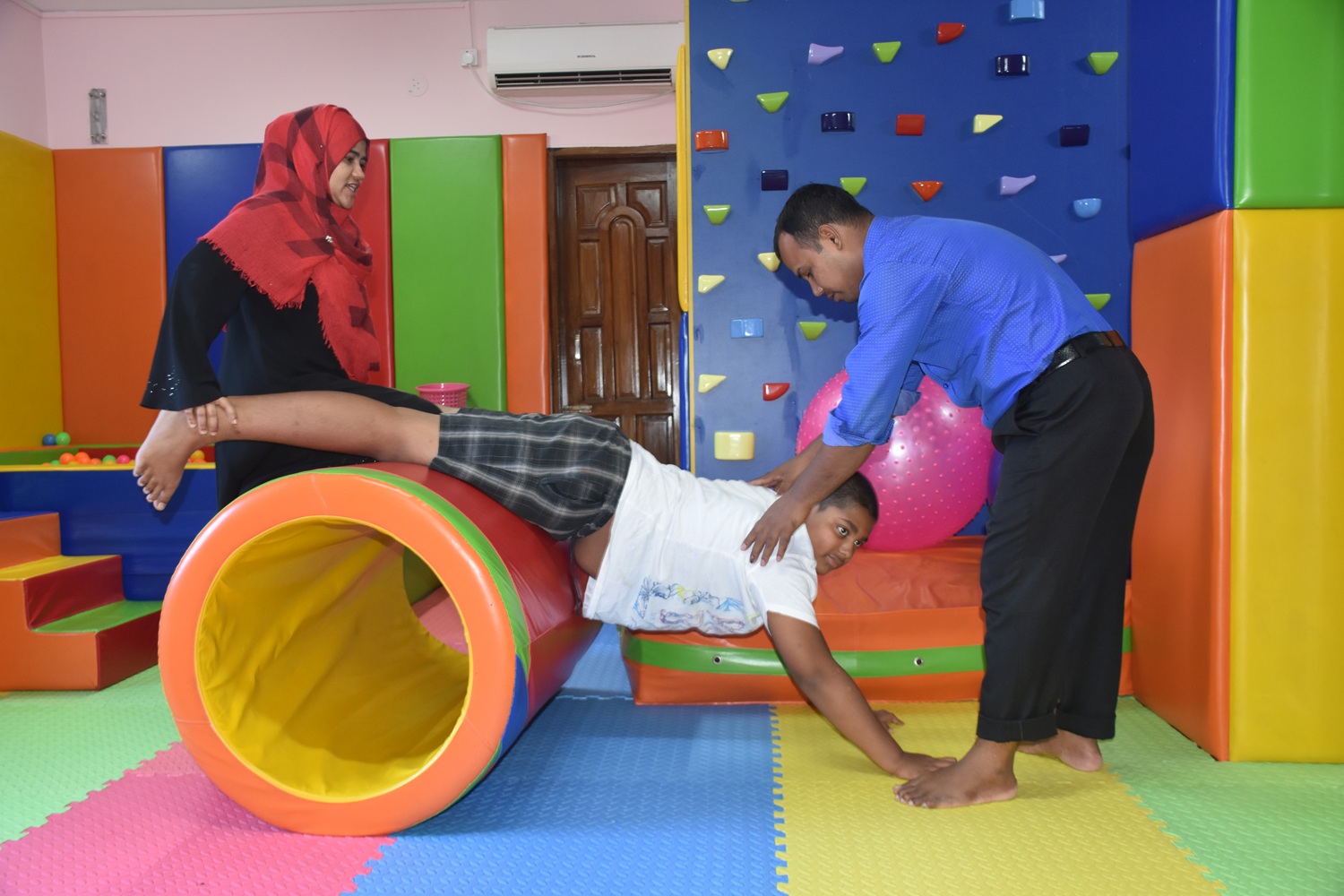
Occupational therapy helps children with autism and Down syndrome by addressing specific challenges to improve their independence and ability to participate in daily activities. Therapists use tailored, play-based strategies to target areas such as sensory processing, fine and gross motor skills, and self-care.
How Occupational Therapy helps children with autism
Occupational therapists use structured, repetitive, and play-based activities to help autistic children with sensory regulation and motor skill development.
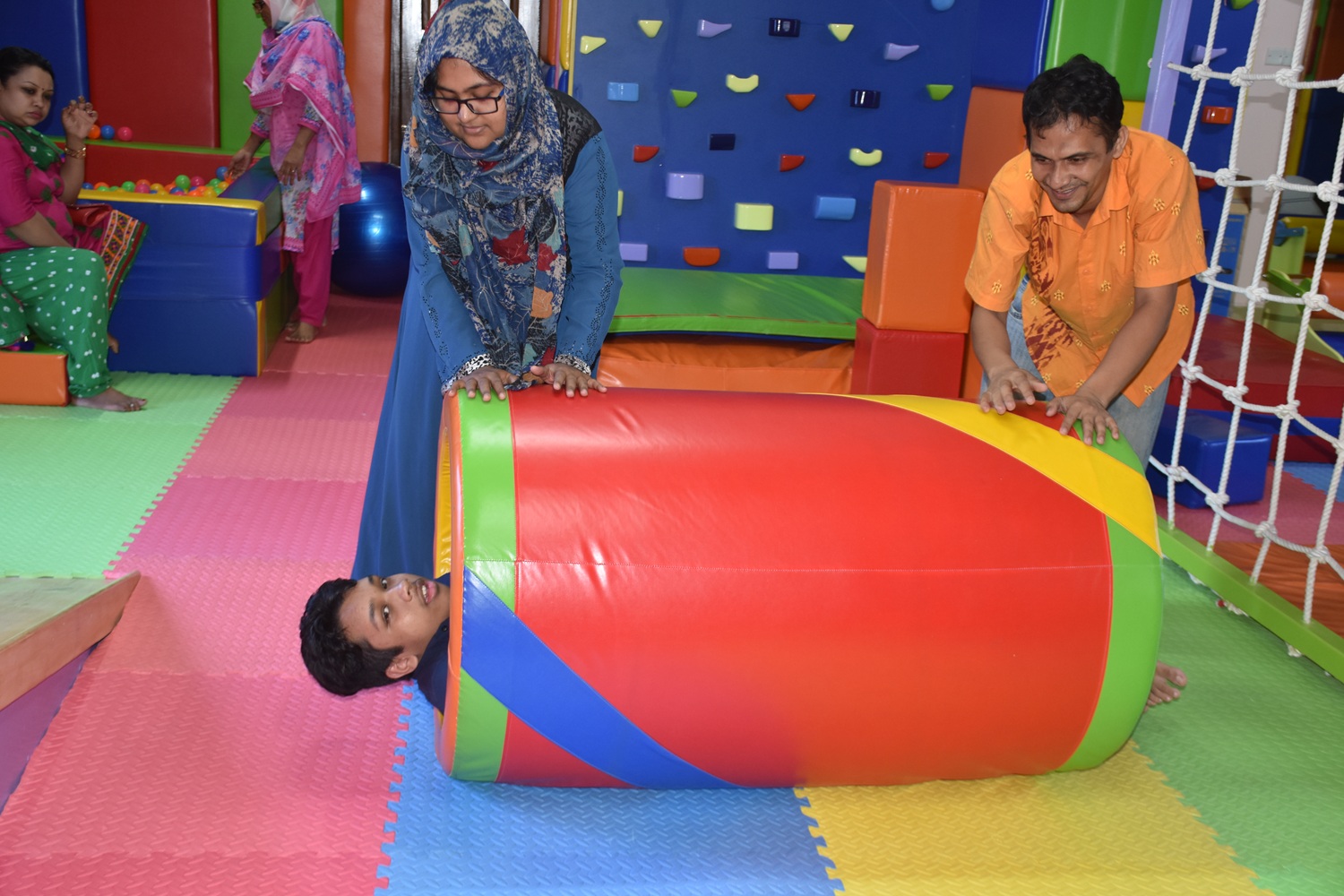
- Sensory integration therapy: Many autistic children are either over- or under-sensitive to sensory input, which can be overwhelming and lead to meltdowns. Therapists use activities like weighted blankets, sensory swings, and tactile toys to help a child’s nervous system better process and organize sensory information.
- Structured routines: Autistic children thrive on predictability and can find transitions stressful. OTs can create visual schedules and structured environments that help a child anticipate and understand daily routines like getting ready for school or bedtime.
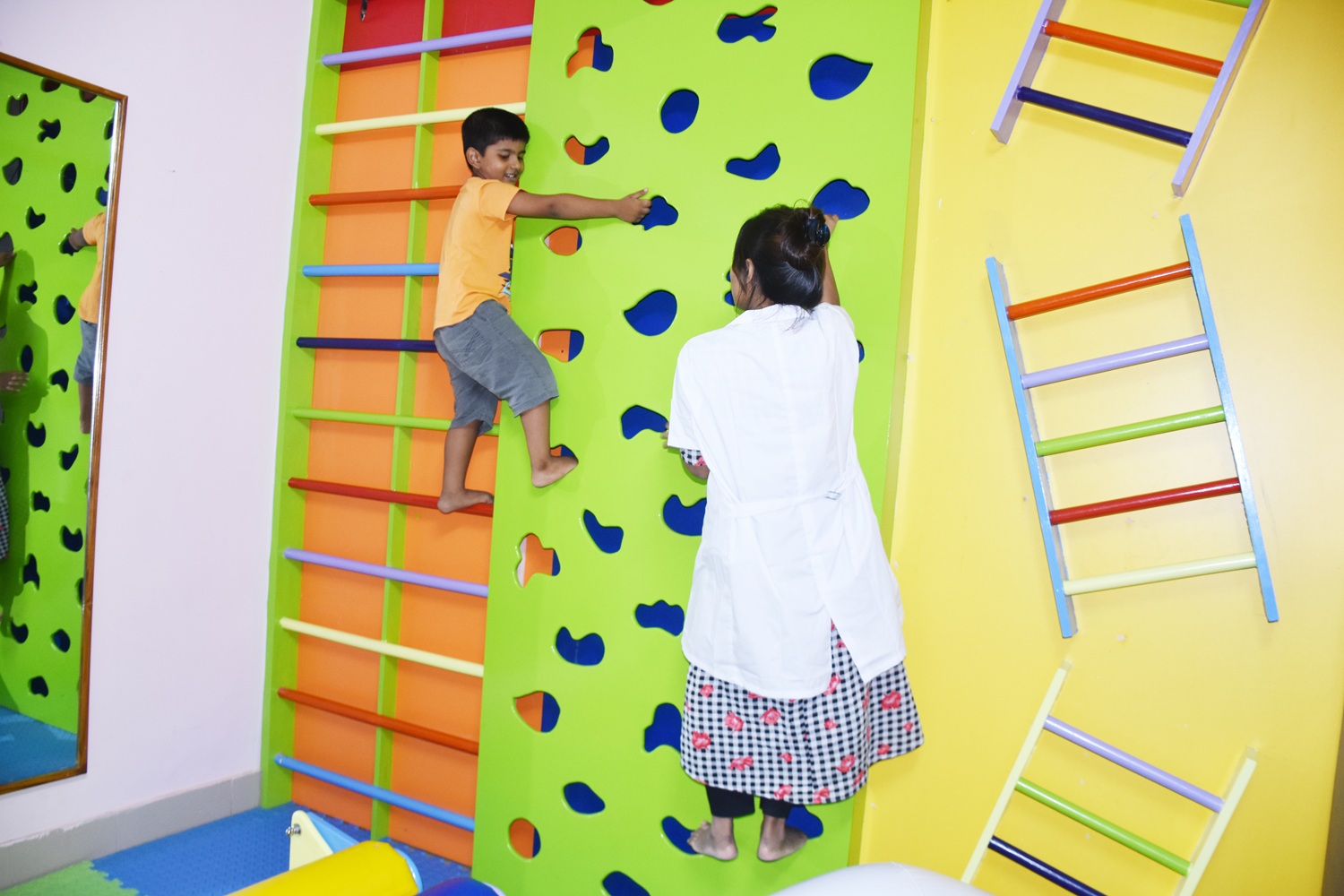
- Fine and gross motor skills: Occupational therapists help improve motor skills necessary for daily tasks. This includes fine motor skills for tasks like buttoning clothes or handwriting and gross motor skills for activities like running or climbing.
- Social participation: Through group therapy sessions, Students can participate in turn-taking games, role-playing, and other activities, OTs help children develop social skills, communication, and emotional regulation.
How OT helps children with Down syndrome
For children with Down syndrome, OT helps to improve motor skills, compensate for low muscle tone, and build independence in self-care and play.
- Gross and fine motor skills: Children with Down syndrome often have low muscle tone and joint instability, which can delay motor development. OTs use play activities like stacking blocks, using playdough, and balance exercises on a therapy ball to build strength and coordination.
- Daily living skills: Therapists break down self-care tasks into simple steps to help children master skills such as dressing, using utensils for feeding, and grooming.
- Sensory processing: Some children with Down syndrome experience sensory processing challenges. OT incorporates sensory integration techniques, such as deep pressure activities or providing adaptive equipment, to help them manage sensory input more effectively.
- Accommodations and modifications: OTs can recommend changes to a child’s environment or school to support their abilities. This can include specialized seating or writing aids like pencil grips.
What does an Occupational Therapist Do?
An occupational therapist helps people with physical, mental, emotional, or developmental disabilities to live more independently by improving their ability to perform daily activities. They evaluate a patient’s needs, develop a personalized treatment plan, and teach them how to use adaptive equipment or modify their environment to overcome challenges with tasks like self-care, work, or leisure.
Key roles and responsibilities
- Patient Assessment: An occupational therapist assesses a person’s current abilities, goals, and challenges in their daily life.
- Treatment plan development: They create customized treatment plans to help patients develop, recover, or maintain skills needed for living and working.
- Environmental modification: OTs can assess a patient’s home, school, or workplace and recommend modifications to improve accessibility and independence. Therapists recommend changes to a person’s home, school, or workplace to make it more accessible and safer. This can include installing grab bars in a bathroom or using ramps.
- Adapting tasks: They may teach a person new ways to do things. For example, a therapist could demonstrate an easier way to button a shirt after a stroke or a broken arm. They train patients and caregivers to use assistive devices such as wheelchairs, splints, or special utensils that aid in daily activities.
- Goal setting and re-evaluation: They work with patients to set specific goals and regularly re-evaluate progress to adjust the treatment plan as needed.
- Skill development: Through therapeutic activities, they help improve skills like fine motor coordination, memory, problem-solving, and time management, Cognitive Skills.