Behavioral Therapy
Home / Psychotherapy
What is Psychotherapy?
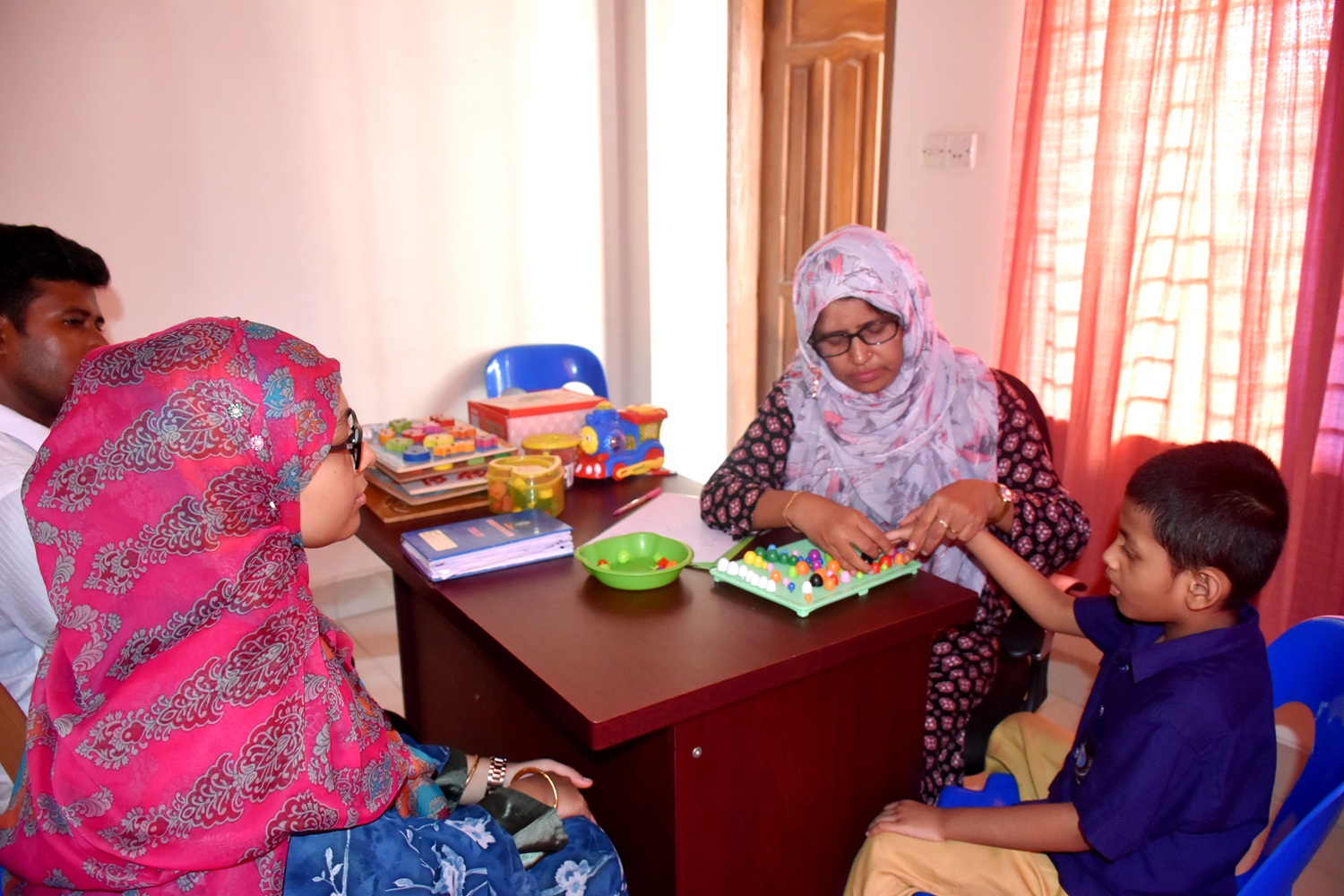
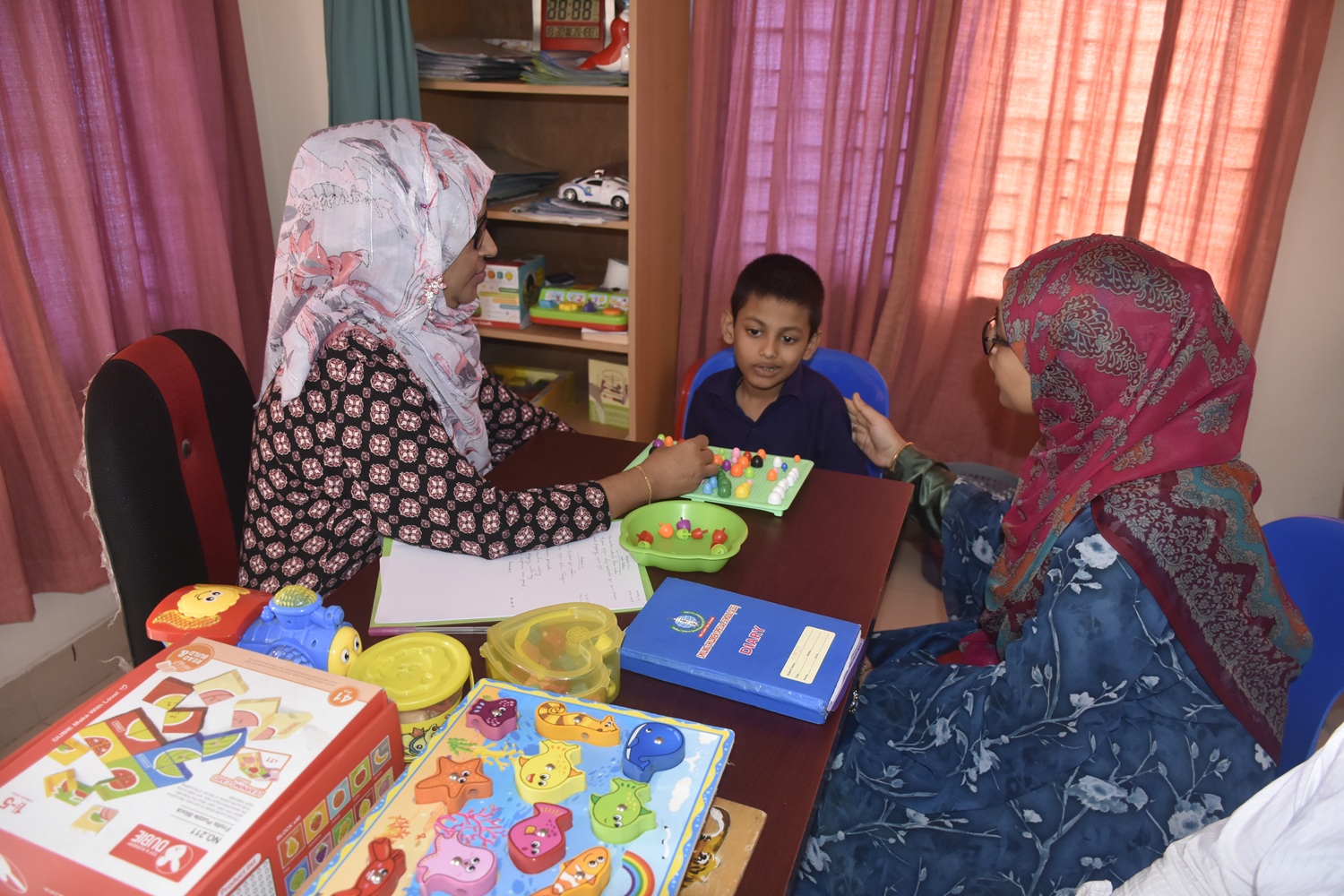
Psychotherapy (Also Known as “Behavioral Therapy”) is an evidence-based treatment method that uses specific techniques to identify and meet the communication, mental, social, and behavioral challenges of children. Its goal is to balance the child’s thoughts, feelings, and behaviors, increase emotional regulation skills, and focus on improving their quality of life and supporting family relationships using these methods which rely on non-verbal and visual communication. A trained psychologist works through various stages of a child’s mental development through Psychotherapy—such as self-awareness, relationship building, adaptation, and positive coping skill formation.
How Psychotherapy works:
Psychotherapy is an integrated process that considers a child’s developmental, emotional, and family components. Through it, we help the child become aware of their thought patterns, emotional responses, and behavioral outcomes. Along with the child’s mental changes, the role and support of the family are also included through therapy—because the family is the most important environment for a child’s development.
Some common types of Psychotherapy:
- Play Therapy: Play Therapy is a therapy model designed specifically for children. Children often express their feelings through play, not words. In this therapy, the child’s underlying anxiety, fear, or trauma can be understood through toys, artwork, storytelling, drama, or creative work. Play Therapy plays an important role in emotional regulation, increasing self-confidence, and building social skills. Research has shown that it is particularly effective for children with autism, ADHD, behavioral problems, or family stress.
- Cognitive Behavior Therapy (CBT): CBT is a research-based psychological approach most suitable for children aged 7 years or older. Through it, children are taught how to change negative thoughts, irrational beliefs, or self-deprecating attitudes. CBT helps the child understand the relationship between their thoughts, behaviors, and feelings, and gradually helps them form positive and adaptive thinking. To make CBT more effective for younger children, a play-based version called CBPT (Cognitive Behavioral Play Therapy) is used, where CBT principles are applied within the framework of Play Therapy.
- Applied Behavior Analysis (ABA) Therapy: ABA is a behavior-based therapy that systematically assists children with the learning process and behavioral changes. It is particularly effective for Autism Spectrum Disorder (ASD), Developmental Delay, and Behavioral Difficulties. ABA uses positive reinforcement to build new skills, reduce inappropriate behaviors, and increase social communication skills.
- Family Therapy: Family Therapy helps rebuild communication, understanding, and supportive relationships among family members. The family’s role is crucial in maintaining a child’s mental well-being. This therapy teaches parents how to understand a child’s behavior, provide support, and build healthy relationships within the family. Family participation is essential for a child’s therapy to be effective, and Family Therapy strengthens that part.
- Art & Music Therapy: Art & Music Therapy uses a child’s creative expression to aid their mental and emotional development. Drawing, painting, listening to or playing music, moving to rhythm, or expressing with stories and music—all create a safe way for children to express anxiety, fear, and sadness. This therapy is especially helpful for children who have difficulty expressing feelings verbally. Research has shown that Art & Music Therapy is effective in increasing children’s attention, self-expression, and mental peace.
Key Considerations and Benefits
Customization: An effective treatment plan must be tailored to the child’s specific needs, abilities, and diagnoses, such as autism, ADHD, or intellectual disability. For example, therapy for a child with “hearing” impairment would involve different strategies than for a child with “anxiety”.
Early Intervention: Starting Psychotherapy early can significantly improve a child’s developmental outcomes, communication, and social-emotional skills. Addressing problems at an early age can prevent them from growing and becoming permanent in adolescence and adulthood.
Focus on Strengths: Psychotherapy for children with special needs often builds self-esteem and resilience based on their personal strengths. Therapists use positive reinforcement and celebrate success to build the child’s confidence and self-esteem.
Including Parents and Caregivers: Therapy is most effective when parents and caregivers are involved in the process. Therapists can teach parents strategies to use at home to reinforce skills and support continued development.
Holistic Development: Psychotherapy supports a child’s overall development, addressing not just emotional regulation and behavior, but also social skills, communication, problem-solving, and academic success.