Music and Dance Therapy
Home / Music and Dance Therapy
Music and Dance Therapy for Children with Special Needs
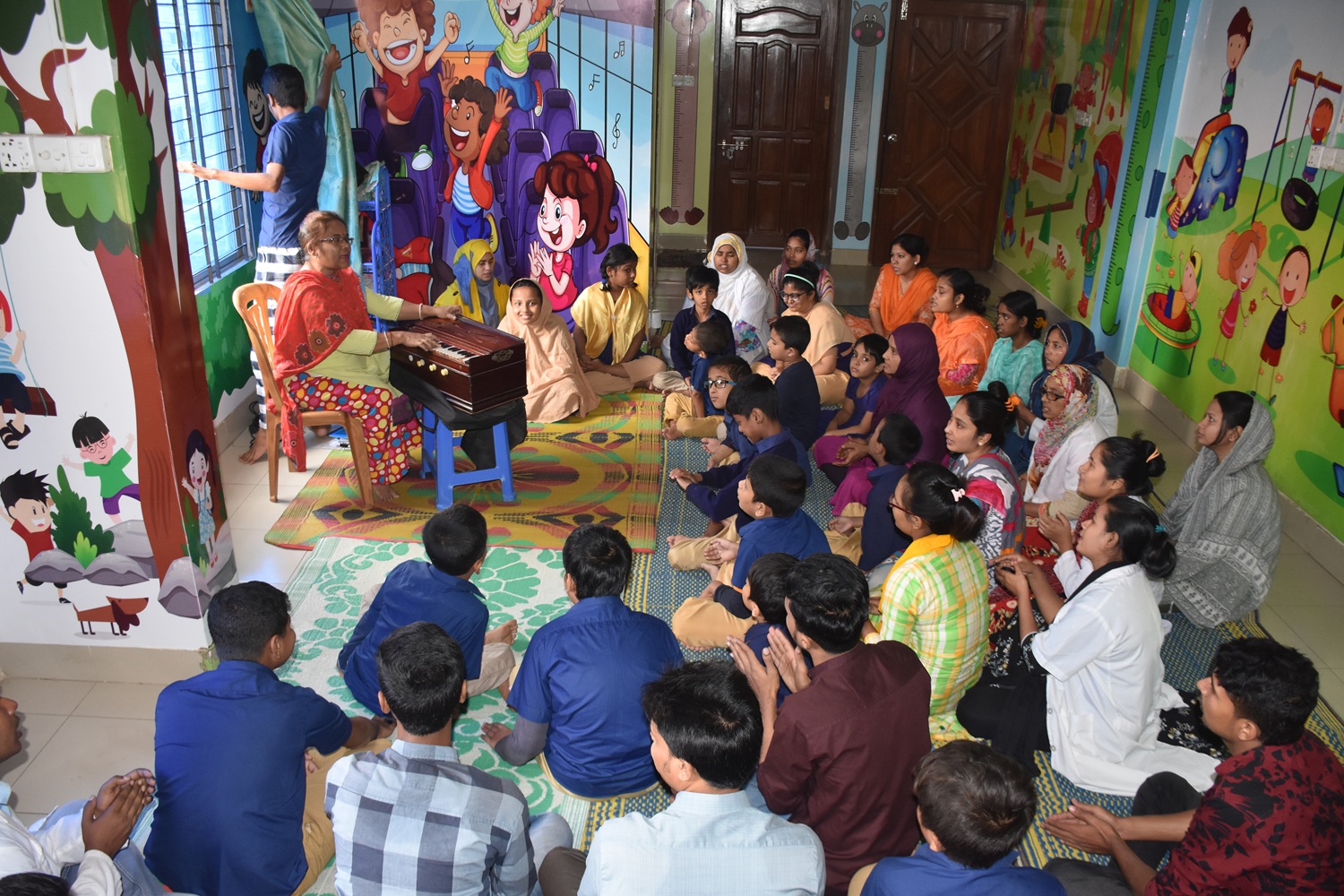
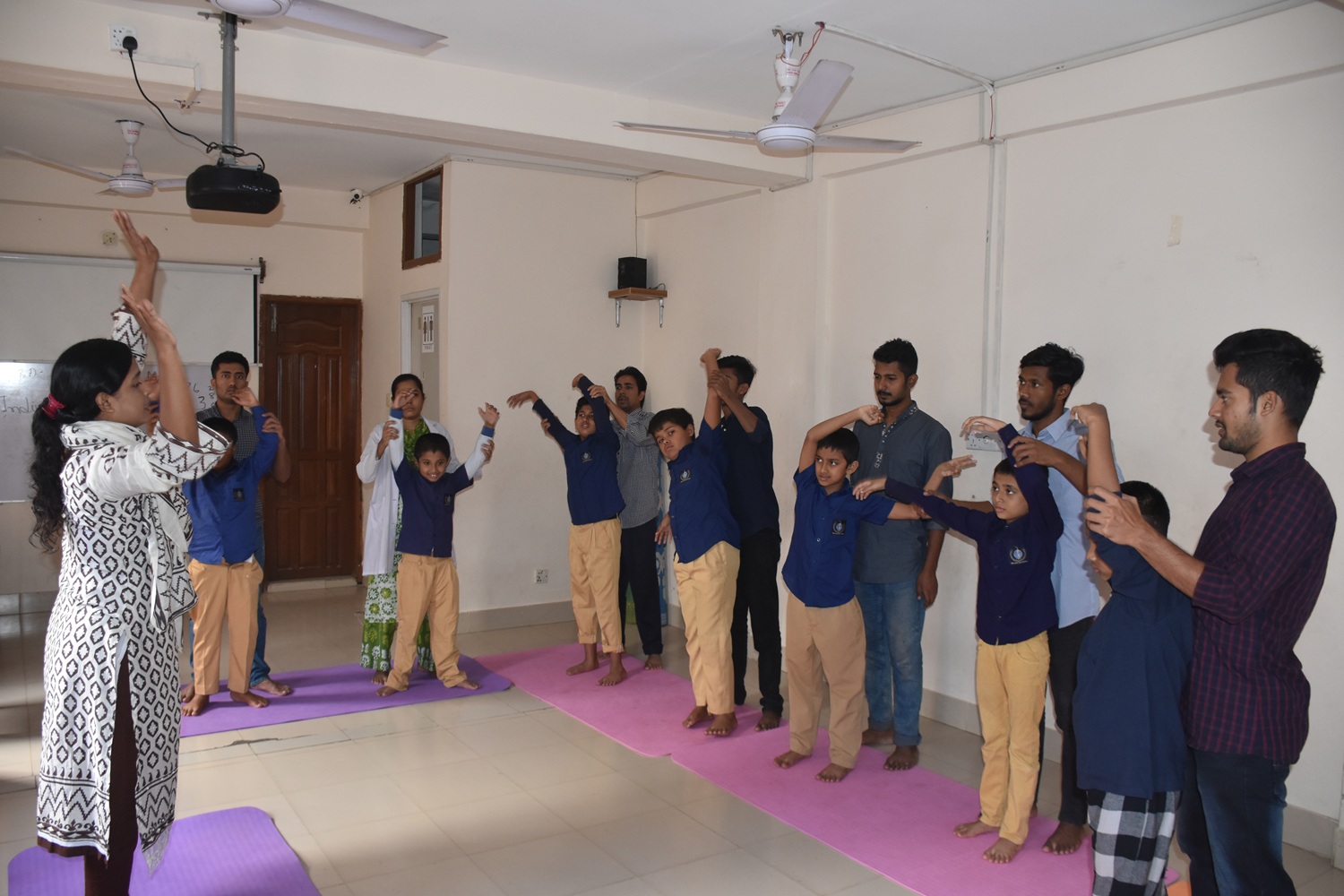
Music and dance therapy benefit children with special needs by improving social skills, communication, motor skills, and emotional well-being through nonverbal and creative expression. These therapies use rhythmic and movement-based activities to help children connect with others, develop body awareness, express feelings, and achieve developmental goals in a supportive and engaging way.
Benefits for children with special needs
- Enhanced social skills: Group activities and synchronized movements in dance therapy build community and provide a shared experience. Therapies use techniques like mirroring and synchronization to foster nonverbal communication, turn-taking, and understanding of social cues.
- Improved communication: Music and dance provide nonverbal ways for children to express thoughts and feelings, which is especially helpful for those who struggle with verbal communication. Music therapy can also aid in language development by activating brain regions through singing and rhythm.
- Greater motor development: Dance and movement therapy improves gross and fine motor skills, coordination, balance, and body awareness. Physical activities help children control their bodies and integrate better with their surroundings.
- Emotional and psychological well-being: These therapies can improve emotional regulation, increase self-confidence, and provide a positive outlet for stress. For children who have difficulty articulating their emotions, movement can provide a more effective means of expression.
- Cognitive development: Music therapy can help with cognitive processes like processing information, sorting, and remembering. Engaging with music and rhythm can also improve the communication between the left and right sides of the brain.
Giving importance to this issue, “Smiling Children Special School” has been operating a
special education system. The services provided by this school through the said
education system are:
How it works
- Nonverbal expression: Music and dance offer alternative channels for a child to express themselves through sounds, movement, and gestures.
- Therapeutic relationship: Music therapy establishes a therapeutic relationship between the child and therapist to work towards individual goals, which can include improving self-esteem and social skills.
- Structured and playful environment: Dance therapy provides a structured yet playful setting where children can practice social and physical skills without the anxiety of direct verbal communication.
- Creative outlet: Both music and dance allow children to explore their creativity and develop a stronger sense of self.